Source extreme pressure vacuum oil for pumps, compressors, and industrial systems
Find 30 listings for extreme pressure vacuum oil suitable for rough vacuum conditions, industrial lubrication, and compressor applications. Buyers can compare specifications, certifications, and packaging options from verified suppliers in Guangdong, China.
Key considerations
Products List
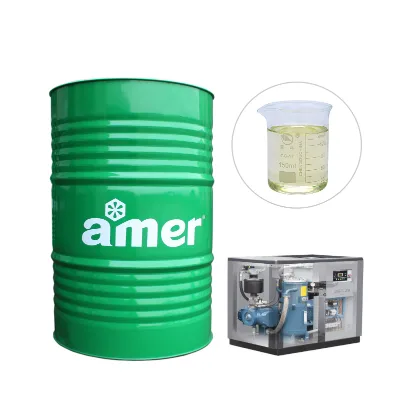


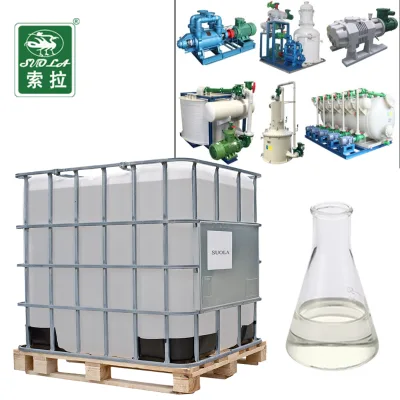


Oil Lubrication Vacuum Suction Machineoil Lubrication Vacuum Suction Machine
$6000.00 - $30000.00
Moq: 1


Comprehensive Sourcing Guide
Extreme Pressure Vacuum Oil Sourcing Guide
Sourcing extreme pressure vacuum oil requires a nuanced understanding of lubricant chemistry, as the term often bridges the gap between standard hydraulic fluids and specialized compressor oils. In the industrial lubricant market, this category typically encompasses high-viscosity oils designed to maintain film strength under extreme mechanical stress while resisting degradation in low-pressure environments. Buyers must distinguish between general-purpose industrial lubricants and those specifically engineered for vacuum pumps, where volatility and vapor pressure are critical performance indicators. The procurement process involves evaluating not just the base oil composition, but also the additive packages that provide oxidation resistance and thermal stability, which are essential for maintaining system integrity over long operational cycles.
The current market landscape for these specialized lubricants is dominated by manufacturers in Guangdong, China, who offer a wide range of product models and customization services. Observed listings indicate a diverse array of product names, including vacuum pump oil, pump oil, and gear oil, often branded under names like AMER or SUO LA. These products are frequently marketed with attributes such as "low foaming," "oxidation-resistant," and "high and low temperature lubricating," suggesting a broad application scope that extends beyond simple vacuum extraction to include heavy-duty industrial machinery. Procurement teams must carefully map these marketing terms to their specific technical requirements, as the overlap between compressor oil, gear oil, and vacuum oil can lead to specification mismatches if not rigorously verified.
Product Scope and Observed Listing Signals
The observed product listings reveal a significant variation in how suppliers categorize and describe their lubricants, which can complicate the sourcing process for buyers seeking specific performance characteristics. Many suppliers list products under generic headings such as "Industrial Lubricant" or "Automotive Oil," while simultaneously claiming suitability for "Rough vacuum conditions" or "Industrial vacuum systems." This discrepancy highlights the need for buyers to look beyond the primary product name and examine the detailed specifications, such as the model numbers (e.g., VP100, VM100, DF 1#68#100#150) and the stated general composition, which is often described as a "Complex Agent" or "Base Oil." Understanding these labeling conventions is crucial for identifying products that genuinely meet the demands of extreme pressure applications.
Packaging and unit specifications also provide valuable signals regarding the intended scale of operation and the supplier’s flexibility. Listings show a wide range of packaging options, from small 2L and 4L containers to large 200L drums and 1000L custom packages, indicating that suppliers cater to both pilot testing and large-scale industrial deployment. The single gross weight of approximately 15.000 kg for certain packages suggests standard drum sizes, while the availability of "Drums or as Request" packaging points to a willingness to accommodate specific logistical needs. Buyers should use these packaging details to assess the supplier’s capacity for bulk orders and their ability to provide samples for initial quality verification, which is a common practice indicated by the "Provide Sample" and "Support Sample" attributes found in many listings.
Technical Specifications to Verify
When evaluating extreme pressure vacuum oil, the most critical technical parameter to verify is the viscosity grade and its stability across a wide temperature range. The supplied data references specific model numbers such as DF 1#, 68#, 100#, and 150#, which likely correspond to ISO viscosity grades, a standard metric for industrial lubricants. Buyers must confirm that the oil maintains its viscosity index under the extreme pressure conditions of their specific equipment, as a drop in viscosity can lead to inadequate film strength and increased wear. Additionally, the claim of "Excellent Thermal stability" and "High and Low Temperature Lubricating" properties should be validated through technical data sheets, ensuring that the oil does not break down or thicken excessively in the operational environment of the vacuum pump.
Another key area for verification is the oil’s volatility and foaming characteristics, which are paramount in vacuum applications where air entrainment and vapor loss can compromise system performance. The attribute "Low foaming" is explicitly mentioned in several listings, indicating a focus on minimizing air bubbles that can reduce lubrication efficiency and cause pump cavitation. Buyers should request detailed test results or specifications regarding vapor pressure and foam tendency, as these properties directly impact the longevity of the vacuum pump and the purity of the vacuum environment. Furthermore, the "General Composition" described as a "Complex Agent" suggests the presence of specialized additives; buyers must ensure these additives are compatible with the materials of construction in their vacuum systems, such as seals and gaskets, to prevent chemical degradation.
Compliance and Safety Documentation
Compliance with international quality and environmental standards is a non-negotiable aspect of sourcing industrial lubricants, particularly those used in sensitive vacuum applications. The observed listings include certifications such as ISO14001, ISO9001, MSDS, and ROHS, which provide a baseline assurance of the supplier’s quality management systems and environmental responsibility. ISO9001 certification indicates a standardized approach to manufacturing and quality control, while ISO14001 demonstrates a commitment to environmental management, which is increasingly important for companies with strict sustainability goals. Buyers should verify the validity of these certifications and request copies of the certificates to ensure they are current and issued by recognized accreditation bodies, rather than relying solely on the presence of the logos in product descriptions.
Safety Data Sheets (MSDS) are equally critical for ensuring the safe handling, storage, and disposal of the lubricant. The inclusion of MSDS in the certification list suggests that suppliers are aware of the regulatory requirements for chemical products, but buyers must review the specific content of these documents to understand the hazards associated with the oil, such as flammability, toxicity, and environmental impact. Additionally, the mention of SAE and Acea certifications, typically associated with automotive oils, may indicate that some products meet specific performance standards for engines or transmissions, which could be relevant if the vacuum oil is being used in hybrid applications. Buyers should clarify whether these automotive standards are applicable to their industrial vacuum systems or if they are simply marketing terms, and ensure that the product meets the specific industrial standards required by their equipment manufacturers.
Cost Drivers and Commercial Terms
The cost of extreme pressure vacuum oil is influenced by several factors, including the base oil type, the complexity of the additive package, and the volume of the order. The observed price range of 1-100000 USD suggests a wide variance, likely reflecting differences in packaging size, product grade, and supplier pricing strategies. For smaller quantities, such as 2L or 4L containers, the unit price may be higher due to packaging and handling costs, while bulk orders in 200L drums or 1000L tanks may benefit from economies of scale. Buyers should analyze the cost per liter or per kilogram rather than the total order value to make accurate comparisons between different suppliers and product grades, ensuring that they are not overpaying for unnecessary features or underpaying for inferior quality.
Commercial terms, including Minimum Order Quantity (MOQ) and lead times, also play a significant role in the total cost of ownership. The observed MOQ range of 1-5000 pieces indicates that some suppliers are flexible with small orders, which is beneficial for initial testing and trial runs, while others may require larger commitments. The delivery date of 7-10 days is a relatively short lead time, suggesting that suppliers may maintain stock of common grades, but buyers should confirm this for specific custom orders or less common viscosity grades. Additionally, the availability of OEM and ODM services allows buyers to customize the product to their specific needs, but this customization may incur additional costs and longer lead times. Buyers should negotiate clear terms regarding payment, shipping, and returns to mitigate financial risks associated with bulk purchases.
Supplier Qualification and Quality Control
Supplier qualification is a critical step in ensuring the reliability and consistency of the lubricant supply chain. Buyers should prioritize suppliers who offer ODM and OEM services, as this indicates a level of technical capability and flexibility to meet specific customer requirements. The presence of an "Information Provider" such as Avic Hangte may suggest a connection to a larger, more established entity, which could provide additional assurance of product quality and supply chain stability. However, buyers should conduct their own due diligence by verifying the supplier’s business registration, production capacity, and history of exports to ensure they are a legitimate and reliable partner. Requesting references from other industrial clients can also provide valuable insights into the supplier’s performance and customer service.
Quality control measures should be rigorously evaluated to ensure that the product meets the specified technical standards. Buyers should inquire about the supplier’s internal testing procedures, including frequency of batch testing and the parameters measured, such as viscosity, flash point, and water content. The ability to provide samples for pre-shipment testing is a strong indicator of a supplier’s confidence in their product quality. Additionally, buyers should consider implementing their own incoming quality control checks upon receipt of the goods, using independent laboratories to verify the product’s specifications against the agreed-upon standards. Establishing a clear quality agreement with the supplier, including criteria for rejection and remediation, can help maintain consistent product quality and protect the buyer’s operational interests.
Long-Term Procurement Checks
Long-term procurement success depends on establishing a robust relationship with the supplier and implementing continuous improvement processes. Buyers should schedule regular reviews of product performance and supplier service levels to identify any emerging issues or opportunities for optimization. This includes monitoring the oil’s condition in the field, tracking consumption rates, and assessing the impact of the lubricant on equipment maintenance intervals. By maintaining open communication with the supplier, buyers can provide feedback on product performance and collaborate on solutions to any technical challenges that arise. This collaborative approach can lead to product improvements and better alignment between the supplier’s offerings and the buyer’s evolving needs.
Furthermore, buyers should stay informed about changes in industry standards and regulations that may affect the use of extreme pressure vacuum oil. As environmental and safety regulations become more stringent, suppliers may need to update their products to comply with new requirements. Buyers should proactively engage with their suppliers to ensure that the products they are using remain compliant and that any necessary transitions are managed smoothly. Additionally, exploring alternative suppliers or product options can help mitigate supply chain risks and provide leverage in negotiations. By maintaining a diversified supplier base and staying informed about market trends, buyers can ensure the long-term stability and cost-effectiveness of their lubricant procurement strategy.
FAQs
What certifications do extreme pressure vacuum oils typically hold?
Products often hold SAE and Acea certifications. Some listings also include ISO14001, ISO9001, MSDS, and ROHS certificates to ensure compliance with international safety and quality standards for industrial use.
How is the thermal stability of this oil characterized?
The oil features excellent thermal stability suitable for rough vacuum conditions. This property ensures reliable performance under high temperatures while maintaining oxidation resistance for extended equipment life.
Can I request custom packaging for bulk orders?
Customization is available for packaging requirements. Options include drums of various sizes like 4L, 18L, 25L, or 200L, allowing buyers to select volumes that fit their specific industrial logistics needs.
What is the typical delivery time for these products?
The standard delivery date ranges from 7 to 10 days. This lead time applies to standard orders, though specific timelines may vary based on the supplier's current production capacity and location.
Which specifications are available for industrial vacuum systems?
Specifications include model numbers like VP100, VM100, and DF series grades. These products are designed as base oil compositions with low foaming advantages for various industrial vacuum system applications.
What is the minimum order quantity for this oil?
The minimum order quantity is 1000 pieces. This threshold applies to single item selling units, ensuring efficient processing for both sample requests and larger industrial procurement needs.
Where are these vacuum pump oils manufactured?
Products originate from Guangdong, China. This location is a known hub for manufacturing lubricants, ensuring access to established supply chains and production facilities for global distribution.
Do suppliers offer sample services for testing?
Samples are provided to support product evaluation. Buyers can request samples to verify properties like viscosity and thermal stability before committing to larger orders under OEM or ODM service agreements.